2026-08-25
The directory is now available in Czech and Italian
All 375 facilities are now published in five languages – alongside German, English and Slovenian there are now Czech and Italian. What that means for the 25 Czech parks, and why Italian joins although not a single site lies in Italy.
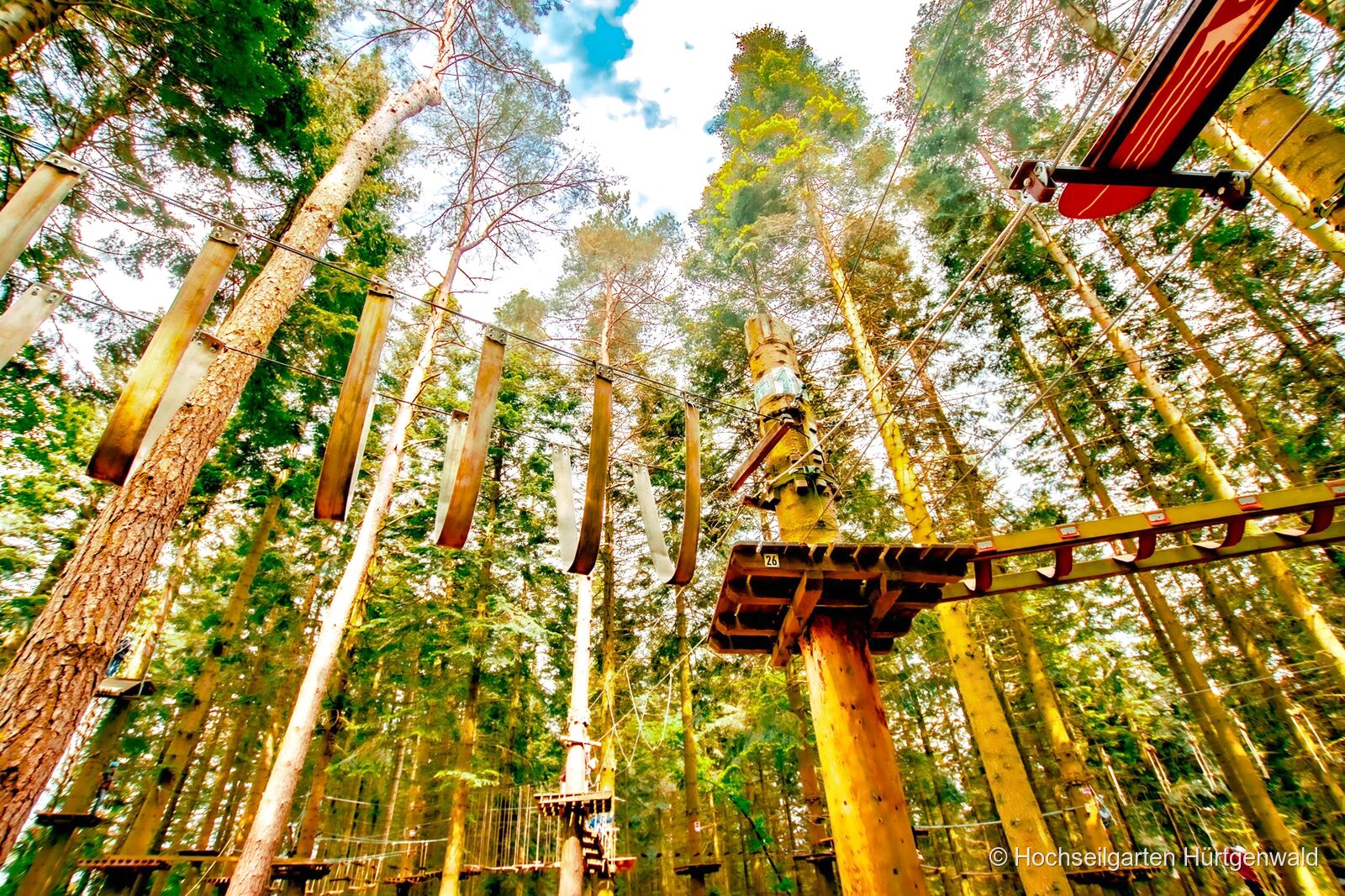
The directory now appears in five languages. Czech and Italian join German, English and Slovenian – and not just for the navigation, but for all 375 facilities with their descriptions, season details, prices and access rules.
Why Czech
25 of the 375 sites lie in Czechia, spread across twelve regions from Prague to Moravia-Silesia. Until now they were described only in German, English and Slovenian – in other words, in no language you would take for granted in Czechia.
The Czech sites keep their prices in koruna. We deliberately do not convert them to euros: the rate moves, the operators take payment in Kč, and a converted figure would be one that applies at no cash desk. In the budget filter on the home page these parks therefore show up as "no comparable price" rather than with an invented euro figure.
Why Italian, when no facility lies in Italy
Because the border does not run where the sites are. Carinthia and East Tyrol are closer to South Tyrol and Friuli than to Vienna, and the parks around Lake Klopein or in Slovenia are within a day trip for a family from Bolzano or Udine. For them the directory was simply unreadable until now.
Whether Italian facilities will eventually be added is open. The directory grows where we can actually verify sites – and verified means: prices, age and height limits taken from the operator's own page, not from a booking portal.
What stays the same
The language changes through the switch in the header of every page; a facility's address stays the same, only prefixed with the language code. An entry you send to someone therefore opens in the language you copied it in.
The principles stay unchanged too: no advertising, no commission, no cost for the operators – and rather a gap in an entry than a second-hand figure.